Why we love dogs, eat pigs and wear cows

Contributing writer

By Melanie Joy*

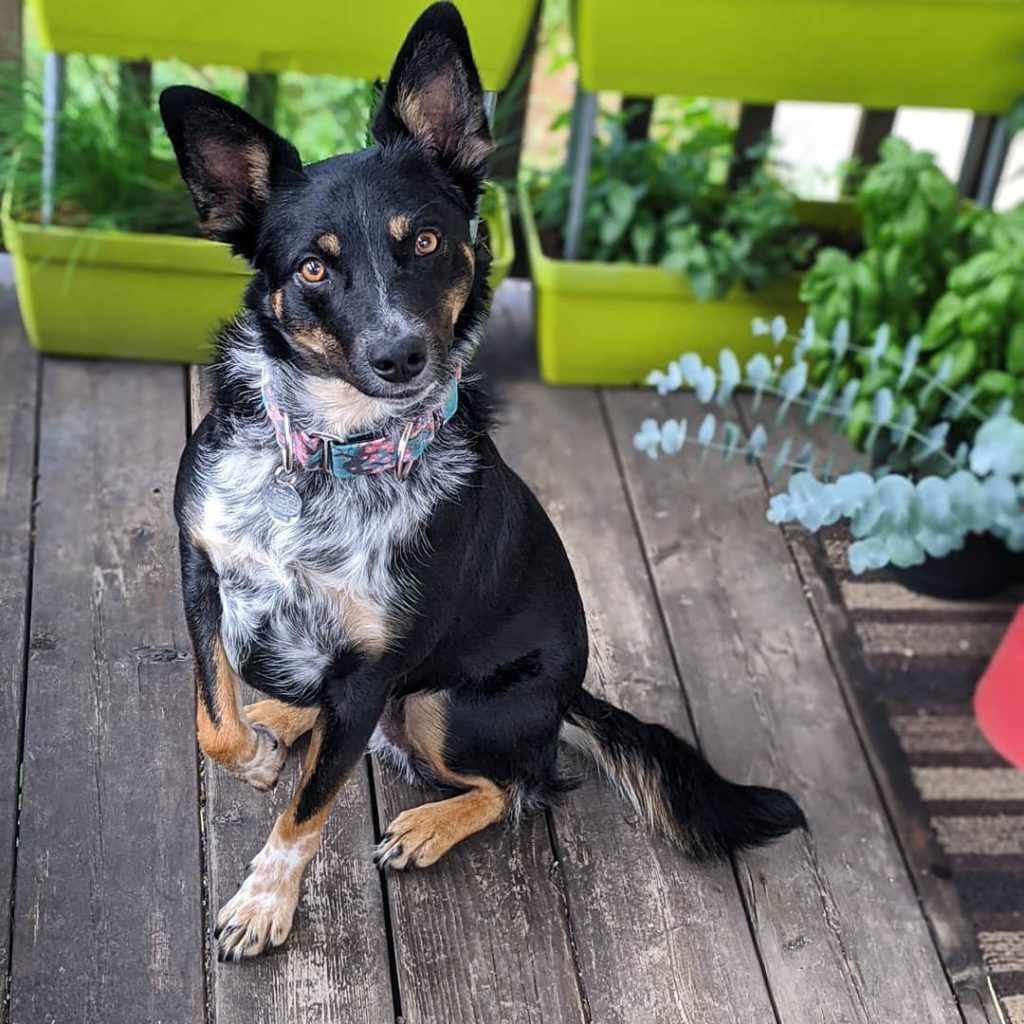
Like most people, I grew up eating meat. I also grew up with a dog — a German Shepherd Lab mix named Fritz, who was my best friend throughout my childhood. And like most people, I didn’t think about how I could love my dog, Fritz, yet eat other animals.

XX and me. (Photo courtesy of Melanie Joy)

My dog Fritz and me. (Photo courtesy of Melanie Joy)

There were times when I’d question and rebel against eating animals — when, for instance, I was faced with the vein in the drumstick I was biting into and lost my appetite for the chicken.

And there were an equal number of times I was coaxed back into eating meat — when my pediatrician told my parents I needed meat to be healthy, or my mother punished me for not cleaning my plate, for example.

My discomfort at the idea of eating meat would eventually wear off, and I would maintain the gap in my consciousness that enabled me to love some animals and eat others.

As a young adult, I became increasingly concerned with the suffering meat production inflicts on animals. I also began to wonder at how I was often discouraged from reflecting on my food choices. I hadn’t even realized that eating meat was a choice. Society, my family and friends presented it as the way things are. Had I known that eating meat was a choice, I may well have chosen otherwise much earlier in life.

At 23, I became a vegetarian. As I became more involved with vegetarianism, I witnessed the deep emotional divide between many vegetarians and meat eaters. I decided I wanted to appease vegetarians’ frustration and judgment toward people who eat meat and support vegetarians who encounter defensiveness from meat eaters, which so often ends productive dialogue.

I also became fascinated with how much my perspective on food had changed. Food that had once been delicious had become disgusting to me, and my concern and curiosity led me to research what I eventually came to call carnism – the belief system in which it’s considered ethical to eat certain animals.

As a doctoral student in psychology, I read everything I could get my hands on about meat eating, cross-cultural consumption patterns, vegetarianism, animal welfare, the psycho-sociology of violence and many other related issues. I interviewed meat cutters, carnists, vegetarians and vegans. And I continued my research into my post-doctoral career.

I found that most people feel a moral discomfort with the idea of eating someone — rather than something — and they push this awareness aside to comfortably consume animals. This moral discomfort is hidden by carnism, a way of thinking that encourages us to do things that don’t necessarily reflect our values.

The reason we love some animals and eat others, I discovered, is not because some animals are more lovable or edible. We have learned to see the world through the lens of carnism, and the system’s goal is to block our awareness and empathy when it comes to eating animals.

The good news is that you don’t have to become a vegetarian to help alleviate animals’ suffering. There are many things you can do. You may, for instance,

• eat less animal products
• learn more about vegetarianism and carnism so you can make your choices more freely
• help raise awareness about carnism
• avoid buying products made from slaughtered animals, such as leather or fur
• support organizations that work to end animal cruelty
• decide not to eat meat, dairy and/or eggs during certain days of the week

My new book, “Why We Love Dogs, Eat Pigs, and Wear Cows: An Introduction to Carnism” illuminates the psychological and social mechanisms of carnism, so that we can make more informed choices as citizens and consumers.

* Melanie Joy is a psychologist, professor, personal/relationship coach and author of two books: “Strategic Action for Animals” and “Why We Love Dogs, Eat Pigs, and Wear Cows: An Introduction to Carnism.”

Related Posts with Thumbnails

This website uses IntenseDebate comments, but they are not currently loaded because either your browser doesn't support JavaScript, or they didn't load fast enough.

10 comments to Why we love dogs, eat pigs and wear cows

  • I have thought about this since an early age, as my Mom is a vegetarian. I don't like the idea of eating animals and don't eat a lot. Problem is my Mom is in her eighties and extremely anemic, and no treatment helped her. Presently she is eating soup made out of meat juice and is getting better. This is a very tough decision to make.

    • Oh, Marise, I am so sorry to hear that. When we get older, things getmore difficult. Hope she recovers. I am a vegetarian nowadays, andafter reading Melanie's book I decided to have three vegan meals everyday. I only eat cheese or eggs once a day now. I also stopped buyinganimal products. I wear what I have, but avoid purchasing anythingmade of leather, wool, down, etc.It is difficult to live like this, but at least I feel better. Ireally feel bad for the animals who are killed every day.:-(

    • Dorota

      Marise, please try black strap molasses and nutritional yeast — both excellent vegan sources of iron. A glass of orange juice will ensure absorption. Vegetarian or vegan is not synonymous with anemic. Hope this helps you and your Mom.

  • Great post, Melanie! Thanks for providing context for your book's provocative title. For those of us unable to extricate ourselves from the notion of carnism, it's wonderful you've provided a list of alternatives. As an aside, lovely photo of you and Fritz — perhaps the impetus for your admirable ideology.

  • Marise,

    I can appreciate how difficult it must be for your mom to have to choose between her health and her beliefs, and it's great that you are so sensitive to her situation. Dr. Michael Greger is a leading researcher in vegan nutrition, and he would be a great resource if you'd like someone who could offer alternative suggestions for your mom. His website is http://www.drgreger.org. He has fabulous DVDs on vegan nutrition, a newsletter, and you can email him with your specific question as well.

  • I’ve been thinking about going vegan lately and I intentionally avoid watching or reading about the slaughtering of animals for food because it breaks my heart. But I feel like I’m part of the problem by eating meat. I’m going 2 start eating less of it and seeing if I can make the transition. Thanks for inspiring me to finally take action!

    • Jacqueline, I know just what you mean. I went through exactly the same thing as you. I commend you on your self-awareness and honesty; many people just avoid the issue altogether and don’t even feel like they can admit they’re avoiding it.

      The reason I wrote “Why We Love Dogs….” was because of this experience of “knowing without knowing.” We know on one level what happens to the animals, but on another level it’s often too painful to take in this reality. I wanted to help people peel back the layers of “numbing”; we’ve learned to wear, to be able to live more fully in accordance with our own values.

      Glad to hear you’re feeling inspired! I can say that, for me, the transition has been very empowering even though it’s had its challenges. I list a bunch of resources at the back of the book to help readers make the transition as easily as possible.

      Good luck!

  • Thanks for your reply, Melanie. I know it is a great sacrifice for my Mom to have to eat this soup. She feels bad but we really forced her, as she was losing her forces. We tried different food, medicine, but nothing worked, except for this soup. It seems that she doesn't process vegetable protein. I will certainly e.mail Dr. Greger.

Leave a Reply


You can use these HTML tags

<a href="" title=""> <abbr title=""> <acronym title=""> <b> <blockquote cite=""> <cite> <code> <del datetime=""> <em> <i> <q cite=""> <strike> <strong>