

Epilepsy ranks among the most frequent neurological conditions in dogs. For the pet owners, it is a very complicated and worrying disease.
Most dogs that are affected have their seizures controlled by medication to a large extent. Nevertheless, there is a considerable number of dogs that keep having seizures even though they are on medication.
Understanding drug-resistant epilepsy in dogs allows the owners of pets to work closely with the veterinarians for improved control and quality of life.
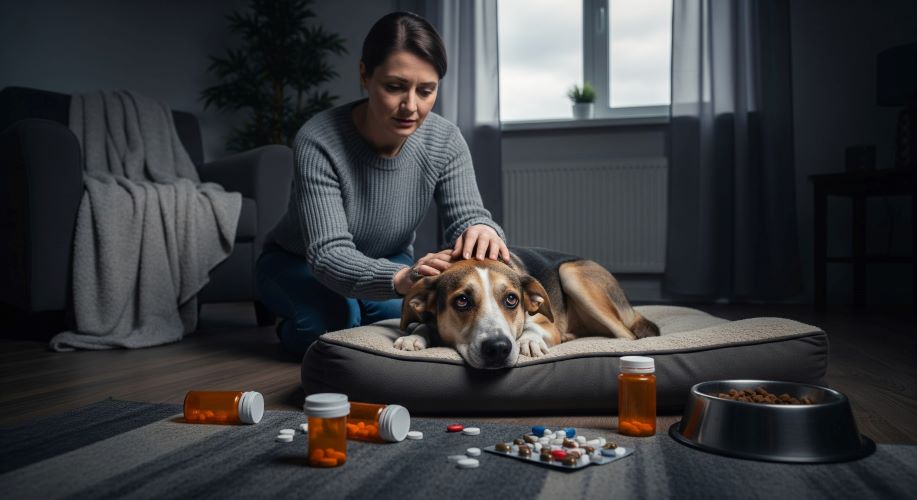
What Is Drug-Resistant Epilepsy?
Canine drug-resistant epilepsy leads to the occurrence of seizures even with the right anti-seizure medications administered. The veterinarians normally prescribe one or more of the standard drugs first. If the seizures persist, even after several drug trials, the case will then be deemed drug-resistant.
This should not be viewed as a loss for the dog and the owner. The dog’s treatment outcome can be influenced by several factors, such as its genetic makeup, unrecognized brain conditions, and its rate of drug metabolism.
It is of utmost importance to identify the issue promptly because it allows for the selection of the most powerful treatments at the right time.
Starting with Monotherapy
Treatment usually begins with monotherapy, which involves using a single anti-seizure medication. A large number of dogs react positively to the administration of one medication only. This thereby allows it to be considered a safe and effective initial measure.
Nevertheless, only certain dogs get complete seizure control through a single drug. If the seizures continue, vets can think of using more sophisticated methods. This leads us to the concept of polytherapy.
When Polytherapy Becomes Necessary
Polytherapy is the administration of two or more medications concurrently. This technique can yield improved seizure management for dogs suffering from refractory epilepsy.
On the other hand, it requires proper administration. Dosages have to be very accurate, and possible drug interactions need to be observed very carefully.
Lifestyle factors also influence polytherapy. Reducing stress, maintaining consistent routines, and managing diet carefully can lead to better results. Understanding when to use monotherapy instead of polytherapy helps owners and veterinarians work together effectively.
Once the right medication approach is chosen, the next step is to create a personalized treatment plan for epilepsy.
Treatment Plan for Drug-Resistant Epilepsy
A unique treatment plan is very necessary in the case of drug-resistant epilepsy. Seizures in each dog are different; hence, the plan must be thorough about frequency, intensity, and causes.
Diagnostics for Resistant Cases
Advanced tests such as MRI, blood tests, and EEGs help to pinpoint the specific cause. The finding will then be used to determine the dosage and selection of medications, as well as the adjustments made for drug-resistant epilepsy.
Pinpointing the exact cause is just the first step. Ongoing monitoring makes sure that the treatment plan remains effective over time.
Monitoring and Follow-Up
Seizure monitoring is crucial. Pet owners keep a log of the number of seizures, their length, and the factors that cause them. The data obtained enables the vets to adjust the epilepsy treatment more efficiently.
There may be times when even the most well-thought-out treatment needs to be altered. Chronic seizures may be treated with advanced therapies, alternative medications, or experimental treatments as possibilities.
The continuous ongoing education of vets is vital for staying up to date with the new treatment approaches. This way, they can effectively guide the clients about how to handle canine epilepsy situations.
For veterinarians looking to explore canine drug-resistant epilepsy in detail, attending a seizures management in Dogs webinar can offer practical insights.
Once monitoring is in place and vets are updated, the next step is to identify the different seizure types in drug-resistant epilepsy.
Recognizing Seizure Types in Drug-Resistant Epilepsy
Canines suffering from drug-resistant epilepsy might have various kinds of seizures. Among them, generalized seizures are those that affect the whole brain and are easily detectable. In contrast, focal seizures influence only a small portion of the brain and may be hard to notice; they may come forth as minor shaking, peculiar actions, or loss of awareness.
It is very important to recognize seizure types in these resistant cases. The identification of seizure types helps veterinarians in the selection of medications and also in making treatment adjustments more safely.
Lifestyle Adjustments for Resistant Canine Epilepsy Cases
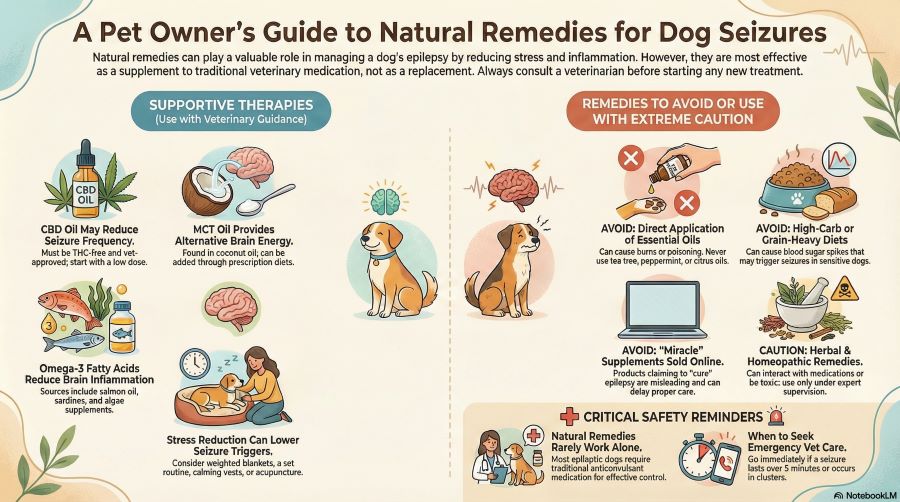
Dogs suffering from drug-resistant epilepsy basically require medications. However, minor lifestyle modifications can be of assistance too. Changing daily habits and the surroundings might lead to a decline in seizures. Furthermore, it could enhance the dog’s life.
1. Consistent Routines
Predictable daily schedules are very helpful for dogs with epilepsy. Feeding, walking, and sleeping times should remain the same. Sudden changes can result in seizures, so a steady routine not only helps manage them but also works in conjunction with medications.
2. Exercise and Activity Management
Physical exertion is essential, but must also be regulated. Vigorous or erratic activities may sometimes trigger seizures. Regulated activities keep the body fit and, at the same time, reduce the chance of seizure occurrence.
3. Environmental and Stress Management
There is a possibility that stress causes seizures to occur more frequently. Loud noises, new people, and environmental chaos may trigger seizures. By providing dogs with calm, safe environments and avoiding stress, they can be noticeably helped.
4. Dietary Support
Proper nutrition can serve as a support for seizure management as well. Certain diets and medications, when combined, might not only be effective but also benefit the brain. It is crucial to consult a vet before altering your dog’s feeding routine in order to ensure that it is safe.
With the right mix of medication and lifestyle changes, dogs with drug-resistant epilepsy can have a better quality of life.
Looking Ahead: Managing Epilepsy and Exploring Veterinary Careers
Canine epilepsy management teaches important skills like patient care, attention to detail, and empathy. These skills are essential in veterinary work. Learning to handle complex patient challenges can increase your knowledge and open up job opportunities.
If you are thinking about a career in veterinary medicine, here’s an updated guide on veterinary assistant salary ranges to help you plan your next steps.
FAQs
What causes drug-resistant epilepsy in dogs?
The condition refers to the situation when seizures persist even with the correct medication prescribed. The main reasons are often genetic factors and brain problems. Knowing these aspects enables the vets to develop a better care strategy.
How do vets decide between monotherapy and polytherapy?
Monotherapy refers to the use of one antiepileptic drug and is typically the primitive measure adopted. In case a seizure remains, polytherapy is used, which includes two or more drugs. The type of seizure determines the selection of the treatment.
Can lifestyle changes help with resistant seizures?
Yes. Stable routines, controlled exercise, and lower stress can reduce seizure triggers. A calm home environment also helps medication work better. Lifestyle changes support the overall treatment plan.