

Terriers shake for several reasons: to kill prey, release excess energy, dry off after getting wet, or express excitement. The vigorous head-shaking motion is an instinctive behavior bred into terriers for hunting small animals like rats, rabbits, and badgers. When a terrier grabs a toy and shakes it violently, they are performing the same killing motion their ancestors used to break the neck or spine of prey. Terriers also shake their bodies to remove water, dirt, or simply to reset after stress or excitement. If your terrier shakes constantly, trembles while resting, or shows signs of pain, this may indicate a medical issue requiring veterinary attention.
Is shaking normal for terrier breeds?
Yes. Terriers were bred specifically to hunt and kill vermin, and the shaking motion is a core part of their genetic programming. Breeds like Jack Russell Terriers, Fox Terriers, Rat Terriers, and Yorkshire Terriers all display this behavior because their ancestors needed to dispatch prey quickly and efficiently.
When your terrier grabs a stuffed animal and thrashes it back and forth, they are not being aggressive or destructive. They are simply doing what centuries of selective breeding designed them to do. This prey-killing shake is called the “death shake” or “kill shake” and is completely normal terrier behavior.
The prey-killing shake
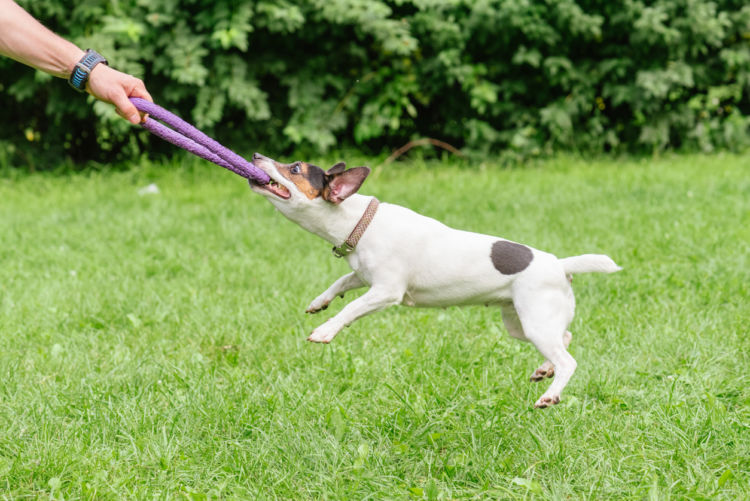
The most distinctive shake terriers perform is the rapid side-to-side head thrash while holding an object in their mouth. This motion generates significant force and would break the neck or spine of a small animal in seconds.
Terriers do not need to be taught this behavior. Puppies as young as 8-10 weeks old will spontaneously shake toys, even if they have never seen another dog do it. The instinct is hardwired.
Your terrier may shake toys, socks, stuffed animals, or anything they can grip in their jaws. The texture and size of the object matters less than the satisfying motion itself. Some terriers become fixated on specific toys that provide the right weight and resistance for shaking.
This behavior releases mental and physical energy. Terriers are high-drive working dogs that need outlets for their hunting instincts. Shaking toys provides satisfaction similar to what their ancestors felt after catching prey.
The full-body shake
Terriers also perform a full-body shake where they vibrate from head to tail, similar to how dogs dry themselves after a bath. This shake serves multiple purposes.
After getting wet, the shake removes up to 70% of water from their coat in seconds. The motion starts at the head and travels down the body in a wave, flinging water outward through centrifugal force.
Dogs also shake to release tension or stress. You may notice your terrier shake after a stressful event like a vet visit, a loud noise, or an uncomfortable social interaction. This “shake it off” behavior helps them reset emotionally and physically.
Some terriers shake when they wake up, after play sessions, or before transitioning to a new activity. This appears to be a self-soothing ritual that helps them mentally prepare for what comes next.
Excitement shaking
High-energy terrier breeds often shake or tremble when excited. This is particularly common in smaller terriers like Yorkies, Miniature Pinschers, and Chihuahuas.
The shaking comes from adrenaline and pent-up energy that has no immediate outlet. Your terrier may shake before meals, when you grab the leash for a walk, or when visitors arrive. Their body is amped up and ready to go, but they must wait, creating visible trembling.
This excitement shaking is harmless but indicates your terrier needs more physical exercise and mental stimulation. A tired terrier is less likely to tremble from excess energy.
When shaking indicates a problem
Not all shaking is normal. Certain types require veterinary evaluation.
Constant trembling at rest. If your terrier shakes continuously while lying down or shows tremors that do not stop, this may indicate pain, neurological issues, or conditions like hypoglycemia. Small terriers are prone to low blood sugar, which causes shaking, weakness, and confusion.
Shaking with other symptoms. Trembling combined with lethargy, vomiting, diarrhea, loss of appetite, or difficulty walking suggests illness or injury. Poisoning, kidney disease, and seizure disorders can all cause abnormal shaking.
Head shaking with ear scratching. If your terrier repeatedly shakes their head and scratches at their ears, they likely have an ear infection, ear mites, or foreign material stuck in the ear canal. Check for redness, discharge, or foul odor.
Shaking in cold temperatures. Terriers with thin coats or low body fat shake when cold. Breeds like Rat Terriers and Italian Greyhounds have minimal insulation and need sweaters or coats in winter.
Old age tremors. Senior terriers may develop tremors due to muscle weakness, arthritis pain, or neurological decline. If shaking appears suddenly in an older dog or worsens over time, consult your vet.
How to manage excessive shaking
Provide appropriate outlets for prey drive through interactive toys, flirt poles, and tug games. Let your terrier shake toys to their heart’s content. This satisfies instinct and prevents redirected energy toward inappropriate items like furniture or clothing.
Increase daily exercise. Terriers need 60-90 minutes of physical activity. A tired terrier shakes less from pent-up energy and sleeps more soundly.
Use mental enrichment like puzzle feeders, scent work, and training sessions. Terriers are intelligent problem-solvers who need mental challenges as much as physical exercise.
For cold-related shaking, dress your terrier in a sweater or coat during winter walks. Keep indoor temperatures comfortable and provide a warm bed.
If shaking stems from anxiety or excitement, work on impulse control training. Teach your terrier to sit calmly before meals, wait at doors, and settle on command. This builds emotional regulation.
Address medical issues promptly. If shaking appears suddenly, worsens, or accompanies other symptoms, schedule a vet appointment to rule out pain, illness, or injury.
Related questions
Why does my terrier shake toys so aggressively?
Your terrier is performing the instinctive killing motion bred into them for hunting. The aggressive shake would snap the neck of prey in the wild. This is normal, healthy behavior that allows your dog to express natural instincts safely.
Do all terriers shake things?
Most do, but intensity varies by individual and breed. Breeds developed for ratting and hunting small game, like Jack Russells and Rat Terriers, display stronger shaking behavior than terriers bred primarily for companionship.
Is it bad if my terrier shakes stuffed animals violently?
No. This behavior is instinctive and provides mental satisfaction. Ensure toys are durable enough to withstand shaking and monitor for torn pieces that could be swallowed.
Why does my terrier shake when excited but not scared?
Excitement and fear both trigger adrenaline, but the physical response differs. Excitement shaking comes from energy ready to be released, while fear shaking involves muscle tension and stress hormones. Context and body language reveal the difference.
Can I train my terrier to stop shaking toys?
You can redirect the behavior to appropriate toys and teach “drop it” commands, but you cannot eliminate the instinct entirely. Suppressing natural prey drive in terriers often leads to other behavioral problems like excessive barking, digging, or destructive chewing.