

Dogs bury food in blankets due to instinctive hoarding behavior inherited from their wild ancestors. Wolves and wild canines cached surplus food by burying it to preserve it for later when prey was scarce. Your dog’s blanket becomes a substitute burial site because it mimics the texture and concealment of dirt or leaves. This behavior is normal and harmless in most cases. However, if your dog obsessively hides food, refuses to eat, or shows signs of anxiety around meals, it may indicate resource guarding, stress, or an underlying health issue that requires attention.
Is burying food in blankets normal behavior?
Yes. Food burying is a natural canine instinct observed across all breeds, though some dogs display it more than others. Breeds with strong hunting or working backgrounds, like Terriers, Dachshunds, and Beagles, tend to cache food more frequently because their ancestors relied on storing food for survival.
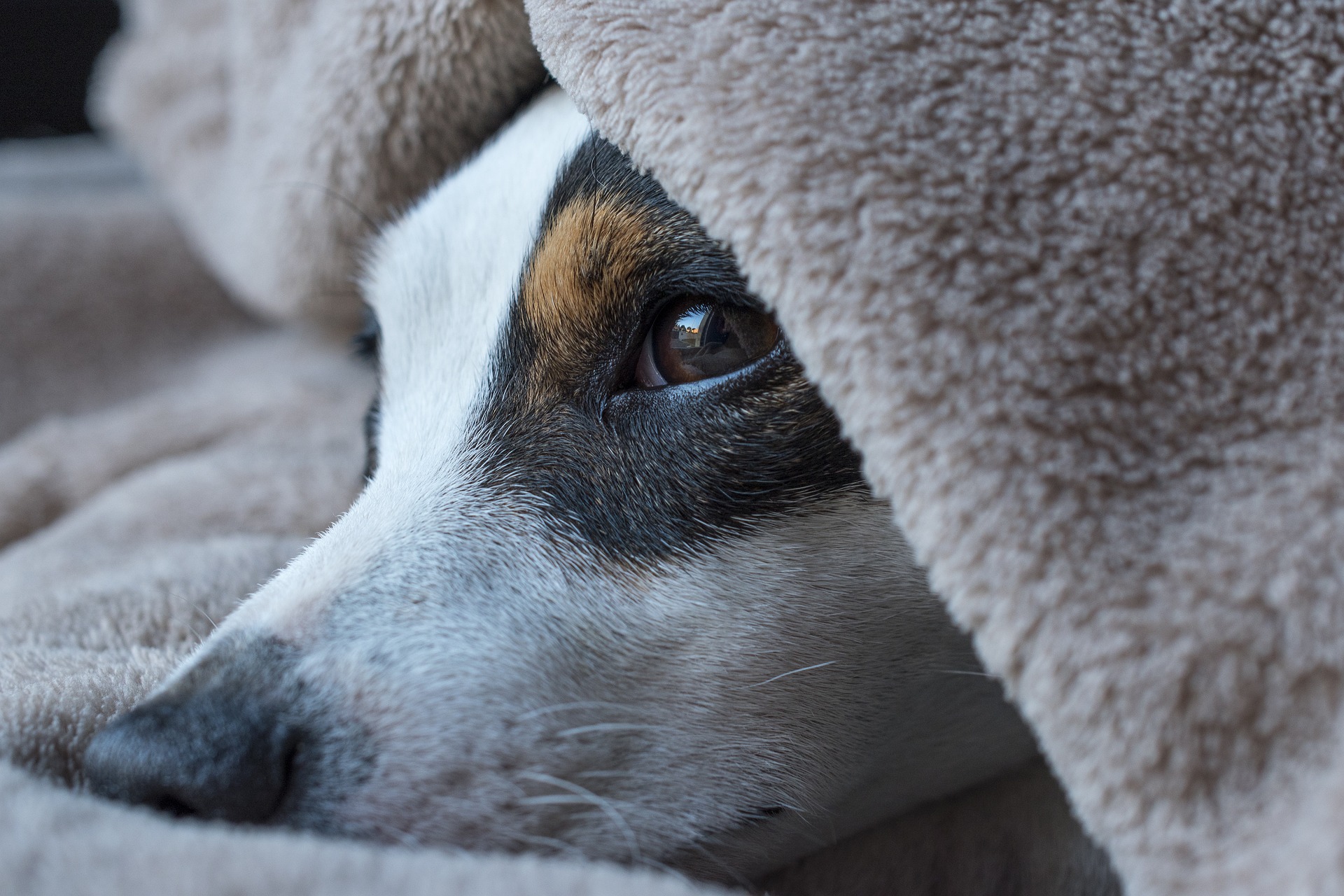
Your dog is not being destructive or weird. They are simply following a hardwired survival mechanism that tells them to save valuable resources for later. The blanket provides a soft, movable material that mimics natural hiding spots, making it an ideal cache location from your dog’s perspective.
Why dogs specifically choose blankets
Blankets offer the perfect combination of texture, scent absorption, and concealment. When a dog uses their nose to push a blanket over food, they are performing the same motion their ancestors used to cover food with dirt, leaves, or snow.
The soft fabric holds the scent of both the food and the dog, creating a familiar, secure hiding spot. Dogs have scent glands in their paws and face, so the act of burying reinforces ownership through scent marking.
Some dogs prefer blankets on beds or couches because these locations are elevated and feel safer from potential “competitors.” Even in a single-dog household, the instinct to protect resources from imaginary threats remains active.
Common reasons your dog buries food
Overfeeding or too many treats. If your dog receives more food than they want to eat immediately, they will cache the excess. This is particularly common with high-value items like bones, bully sticks, or pieces of meat.
Anxiety or stress. Dogs experiencing changes in routine, new household members, or environmental stressors may hoard food as a coping mechanism. The act of hiding food provides a sense of control and security.

Past food scarcity. Rescue dogs or those from neglectful situations often develop intense food-caching behaviors. If your dog experienced hunger or competition for food early in life, they may continue hoarding even when food is consistently available.
Breed predisposition. Terriers, Huskies, and other breeds with strong prey drive or survival instincts are more likely to bury food. These dogs were bred to work independently and make decisions about resource management without human direction.
Boredom. A dog without adequate mental stimulation may bury food simply to create an activity. The process of finding a spot, hiding the item, and checking on it later provides entertainment.
When food burying becomes a problem
Most food-burying behavior is harmless, but certain patterns require intervention.
If your dog hides food and then refuses to eat meals, they may be experiencing nausea, dental pain, or gastrointestinal discomfort. Dogs will cache food they want to eat but physically cannot consume in the moment.
Aggressive guarding of buried food, including growling, snapping, or blocking access to blankets, indicates resource guarding. This behavior can escalate and requires professional training to address safely.
Obsessive burying where your dog spends hours hiding and re-hiding the same item, or becomes distressed when they cannot bury food, suggests anxiety or compulsive disorder. Consult a veterinarian or certified animal behaviorist if the behavior interferes with normal daily activities.
Burying and forgetting food creates hygiene problems. Rotting food hidden in blankets attracts pests and bacteria. If your dog caches wet food, raw meat, or perishable items, you need to manage the behavior to prevent contamination.
How to manage food-burying behavior
Feed smaller, more frequent meals so your dog receives only what they can eat immediately. This reduces surplus food that triggers caching instincts.
Remove high-value treats or bones after 15-20 minutes. If your dog has not finished the item, take it away and offer it again later. This prevents obsessive hiding and keeps perishable items from rotting in your home.
Provide designated “burying” toys. Give your dog a blanket or towel specifically for caching behavior and redirect them to this item when they try to bury food in your bed linens.
Increase mental enrichment through puzzle feeders, sniff mats, and training sessions. A mentally engaged dog is less likely to develop obsessive caching behaviors out of boredom.
Address underlying anxiety with routine, predictability, and positive reinforcement. If your dog buries food due to stress, work on building confidence through training and environmental management.
For resource guarding, consult a professional. Do not attempt to forcibly remove cached food from a dog displaying aggression. A certified dog trainer can implement a behavior modification plan safely.
Related questions
Why does my dog bury food but not toys?
Food has survival value that toys do not. Your dog’s instinct prioritizes caching resources necessary for survival. Some dogs do bury toys, particularly if the toy has high value or resembles prey, but food caching is far more common.
Is it bad to let my dog bury food in blankets?
Not necessarily. If your dog buries dry kibble or treats occasionally and the behavior does not cause distress or hygiene issues, it is harmless. Monitor what they bury and clean blankets regularly to prevent bacterial growth.
Do certain dog breeds bury food more than others?
Yes. Terriers, Dachshunds, Beagles, Huskies, and other breeds with strong hunting or survival instincts display food-caching behavior more frequently. However, any dog can bury food regardless of breed.
Why does my dog pretend to bury food with imaginary dirt?
Your dog is performing the instinctive burying motion even without a physical material to cover the food. They may push their nose against the floor, carpet, or air in an attempt to “cover” the item. This shows the behavior is deeply ingrained, even when the environment does not support actual burial.
Should I stop my dog from burying food completely?
Only if the behavior creates problems like food spoilage, resource guarding, or obsessive anxiety. Otherwise, allowing occasional caching satisfies a natural instinct and does not harm your dog.