

Whenever a holiday comes around, you see it all over the place. Pet parents all over the world cannot wait to showcase their dogs, cats, or other pets dressed up for Thanksgiving, Easter, Christmas, or April Fool’s Day.
Yes, it looks cute. Yet, it looks adorable. But how much of it does it help your dog? This might be a controversial opinion, but I believe you shouldn’t dress up your dog for Christmas or any other holiday. And if you have the patience to read below, I will try and prove my point.
Dogs don’t want to wear costumes. They tolerate them because they love us, because they’ve learned compliance gets rewards, or because they freeze up when stressed and we mistake that stillness for acceptance.
Before we move, has this happened to your dog at least once? He tried to scratch his ear while wearing his winter coat. He twisted, pawed at the fabric, and looked genuinely confused about why his body wasn’t working right. And then you have to intervene. Which brings me to my first argument why you shouldn’t dress up your dog.
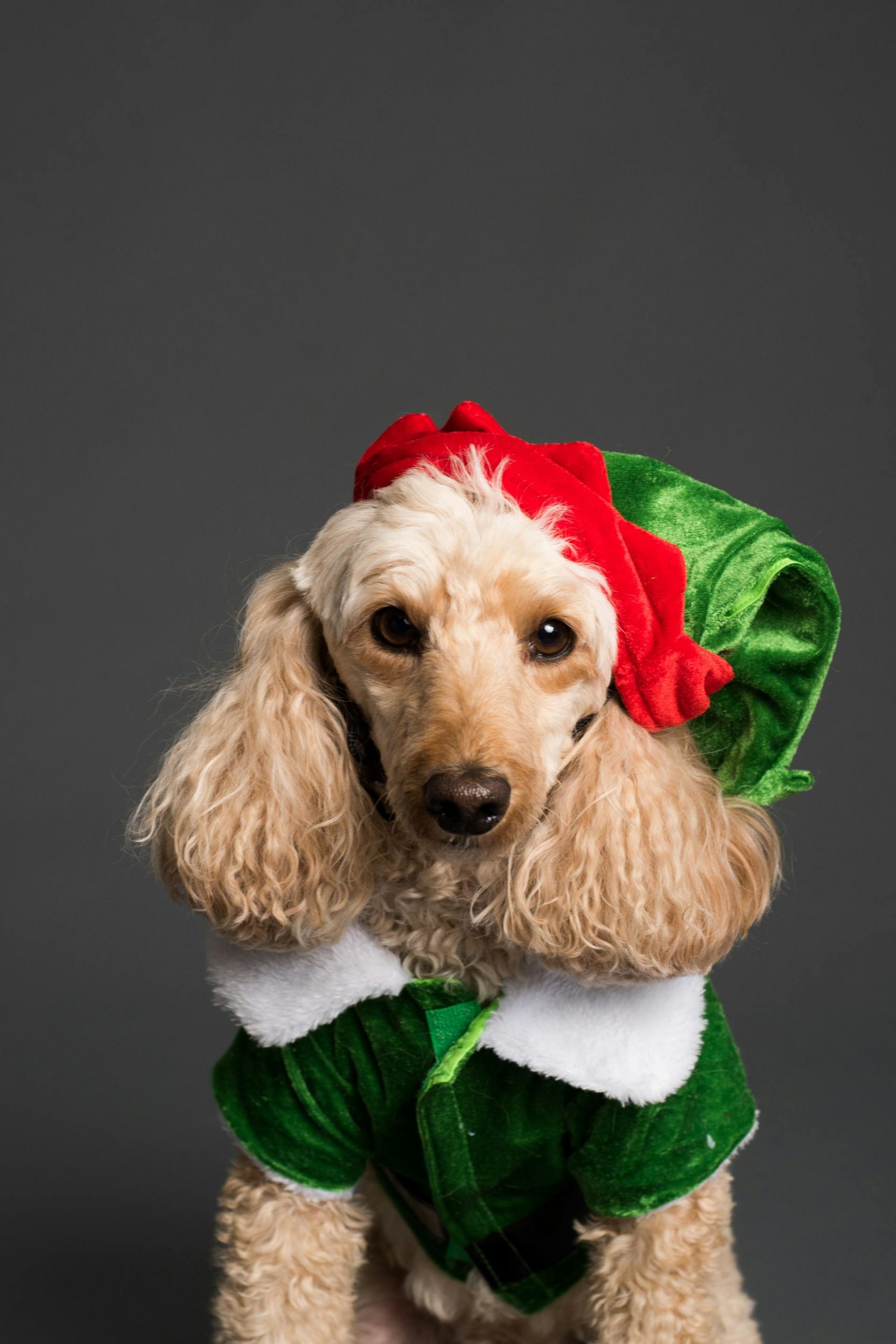
Your dog can’t move properly
Costumes restrict movement in ways we don’t immediately notice. A dog needs to run, stretch, shake off stress, scratch an itch, or turn around quickly if something startles them. Fabric around their legs changes their gait. Material across their chest restricts their breathing during play. Anything around their neck limits how they can turn their head to check their surroundings.
My Jack Russell moves fast. That’s what terriers do. He changes direction mid-run, jumps onto furniture, spins in circles when he’s excited. A costume that fits snugly enough to stay on is tight enough to interfere with these movements. A costume loose enough for free movement will slip, tangle, or create a tripping hazard.
Watch a dog walk in a costume for the first time. Most move stiffly, take careful steps, or try to back out of the outfit. This isn’t cute or funny. It’s a dog whose proprioception has been disrupted. They don’t know where their body ends anymore.
The attention problem nobody mentions
When you dress your dog up, they become a spectacle. Everyone at the gathering wants to pet them, photograph them, pick them up, talk to them in high-pitched voices. Children run over. Strangers at the dog park approach. Family members crowd around.
Costumes attract attention, subjecting animals to potentially stressful social encounters in uncomfortable clothing. I understand your wish to dress up your dog, but first, ask yourself, is he/she is ready for such attention? Your dog didn’t ask to be the center of attention. They didn’t volunteer for a photoshoot. They’re dressed up for your benefit, then forced to endure the consequences.
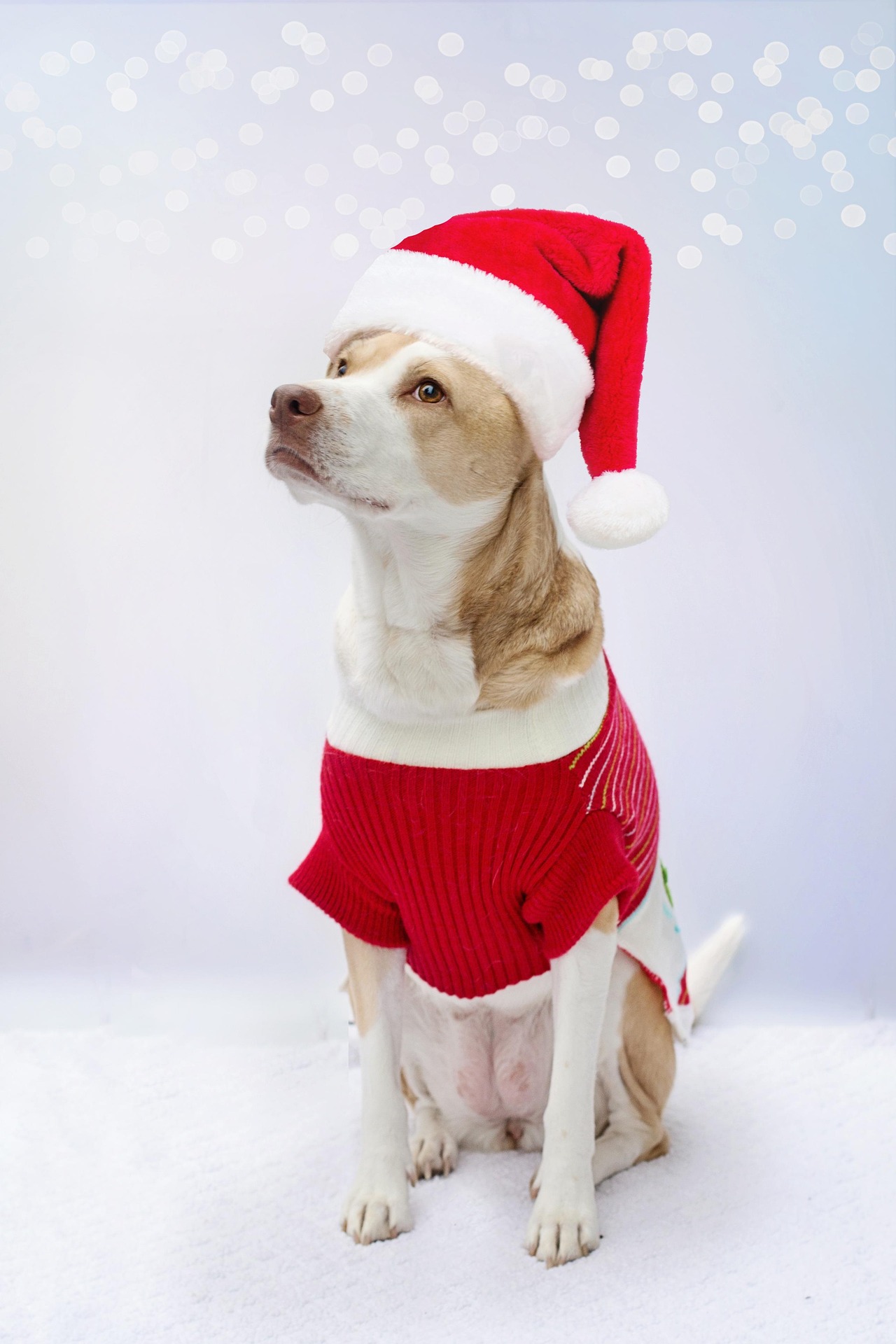
Often, this happens during marquee costume holidays. Dogs in elaborate costumes surrounded by excited kids. The dogs show whale eye, turn their heads away, lean back on their haunches. The kids see a cute dog in a funny outfit. I see a stressed animal who can’t escape because their owner is holding the leash.
Here is the irony: we dress them to make them more appealing, then subject them to exactly the kind of intense social interaction most dogs find overwhelming.
You can’t read their signals anymore
Dogs communicate primarily through body language. Tail position, ear movement, hackles raising, body posture. The RSPCA notes that costumes impair an animal’s ability to communicate with owners and other animals, and when you can’t read their behavior due to a costume, this could make them feel anxious and cause you to miss signals such as their need to toilet.
A costume covers most of these communication tools. The tail disappears under fabric. Ears are hidden by hoods or hats. You can’t see if their hackles are up. Their body shape changes completely, making it impossible to tell if they’re tense or relaxed.
Last Christmas, I watched a Labrador at a party wearing a full reindeer outfit. She kept moving away from people, but her owner kept bringing her back into the crowded room. The owner couldn’t see that the dog’s body was stiff, her weight shifted back, her mouth closed tight. The costume hid all the classic stress signals. By the time the owner noticed something was wrong, the dog had been uncomfortable for over an hour.
Missing these signals has real consequences. A stressed dog who can’t communicate discomfort escalates to growling, snapping, or biting. Then the dog gets blamed for “coming out of nowhere” when really, they’d been trying to say “I’m uncomfortable” the whole time.
Other dogs can’t understand them either
Dogs greet each other by reading posture, movement patterns, and specific body language cues. A dog in a costume looks wrong to other dogs. The silhouette is off. Strange objects stick out where they shouldn’t. The fabric makes rustling sounds that confuse or alarm other animals.
Dogs communicate mainly through tails and ears, but if the costume covers these body parts, that no longer works properly, creating a distressing situation for the animal.
I’ve seen dogs at the park react aggressively to costumed dogs they usually play with happily. The costume makes their friend unrecognizable. The usual greeting behaviors don’t work. Neither dog can read the other’s signals, and confusion turns into defensive behavior.
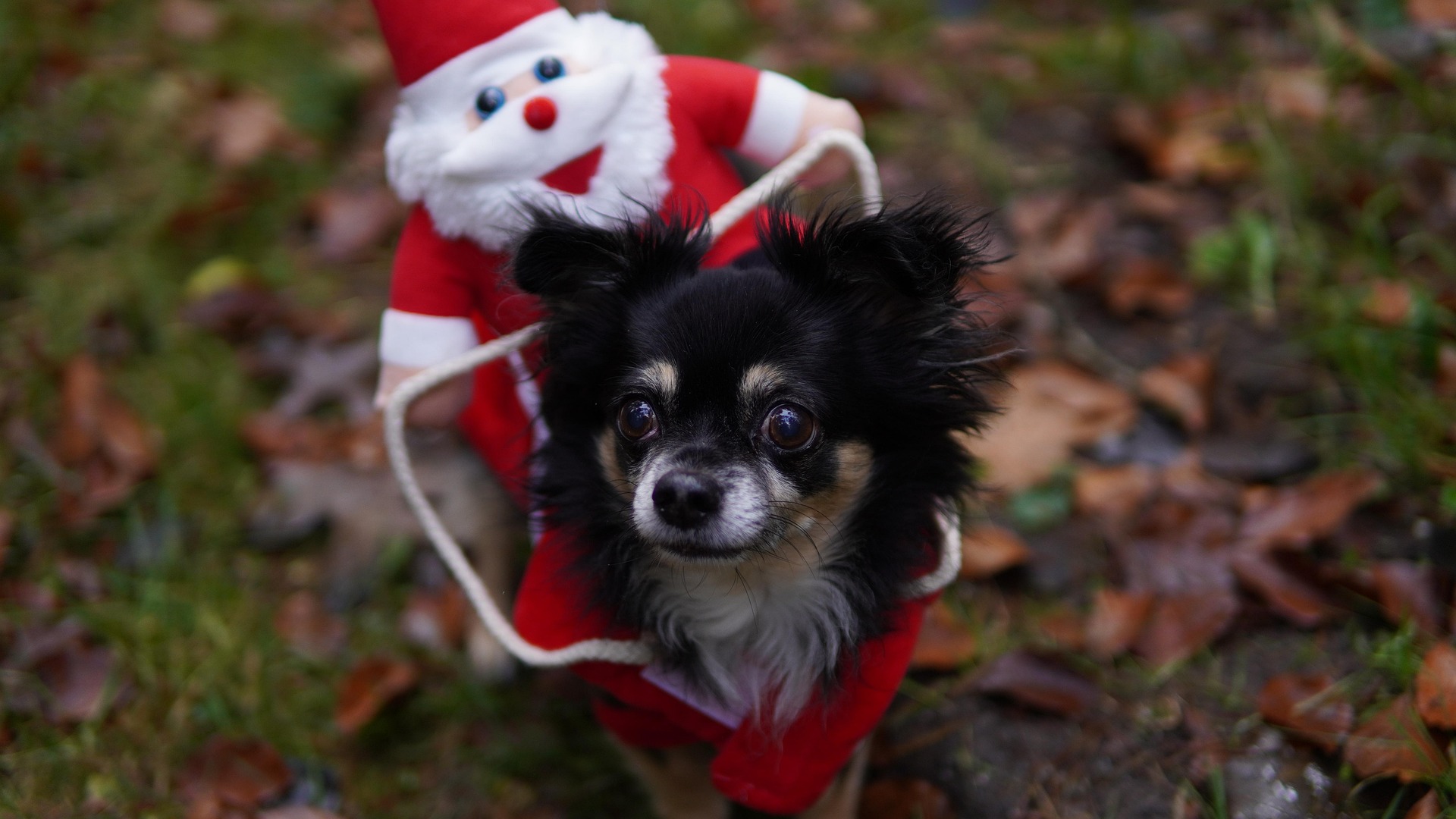
You lose the ability to assess their comfort
When I need to know if my dog is comfortable, I look at his whole body. Is his weight forward or back? Are his muscles tense or relaxed? Is his breathing normal? Can I see his spine and rib movement to check if he’s panting?
A costume hides all of this. I can see his face, maybe, if the outfit doesn’t include a hat or hood. Everything else is guesswork. Costumes can mask body language, making it crucial to pay close attention when dogs are around other animals.
By the time you notice something’s wrong, the dog has progressed past early warning signs into serious distress. The lip licking happened 10 minutes ago, hidden by the costume’s neckline. The tension in their shoulders started 15 minutes before that. You see the final straw, the moment they try to bolt or snap, and think it came out of nowhere.
Professional handlers know this. Most organizations that train therapy animals prohibit costumes during visits because costumes interfere with visual and physical cues that are essential for communication between handler and animal. If therapy dogs, who work in calm, controlled environments with trained handlers, can’t safely wear costumes, why do we think our pets can handle them at chaotic holiday parties?
The stress you don’t see
Most dogs don’t fight the costume. They stand still, let you put it on, and then just endure it. We interpret this as acceptance. It’s not.
Some pets will tolerate wearing a costume and do not appear to notice, but others find the experience unpleasant, showing signs of anxiety such as panting, difficulty moving normally, or struggling to remove the costume.
Dogs display stress in subtle ways. Yawning, lip licking, turning their head away, freezing in place, dilated pupils, ears pinned back. Freezing is extremely common in dogs wearing costumes as they emotionally shut down when they feel they can’t get away.
That still dog in the cute outfit isn’t being well-behaved. They’re demonstrating learned helplessness. They’ve figured out that struggling doesn’t help, so they shut down and wait for it to be over.
My Jack Russell does this when he’s overwhelmed. He gets very quiet and still. People who don’t know him well think he’s calm. I know he’s hit his stress threshold and needs the situation to end. A costume would hide the earlier signals that let me intervene before he reaches that point.
The safety issues nobody warns you about
Beyond stress, costumes present physical dangers. Buttons, bows, elastic bands, strings, anything decorative becomes a choking hazard. Americans spend millions on pet costumes each year, but they should avoid tight fits and anything with small parts that could be chewed off.
Dogs chew when they’re stressed. A dog wearing a costume is stressed. They’ll chew the costume, potentially swallowing parts of it. Fabric pieces cause intestinal blockages. Buttons lodge in throats. Elastic bands get tangled around limbs or necks.
Costumes also trap heat. Winter holidays mean indoor heating. Crowds mean body heat. Add a layer of polyester over your dog’s fur coat, and you’ve created an overheating risk. The RSPCA specifically warns that body costumes can cause overheating, which leads to heat stress, and advises avoiding dressing pets up during hot weather.
Dogs don’t sweat through their skin like humans. They regulate temperature through panting and through their paw pads. A costume interferes with their ability to cool down. By the time you notice they’re hot, they’ve been uncomfortable for a while.
Then there are entanglement risks. Costumes catch on furniture, door handles, fence posts, other dogs’ teeth during play. A dog can panic when they’re stuck, injuring themselves trying to break free. If a costume is too big, it might trip your pet, leading to injury, while a costume that’s too small could squeeze your pet and limit breathing.
What actually works instead
I am not saying you shouldn’t celebrate holidays with your furry friend. But there are ways to do it safely. A festive collar or bandana works if your dog tolerates wearing them. Many dogs don’t mind these because they don’t restrict movement or vision.
Test it first. Put the bandana on and see what your dog does. If they try to remove it, shake their head repeatedly, or freeze up, take it off. Not every dog tolerates even simple accessories.
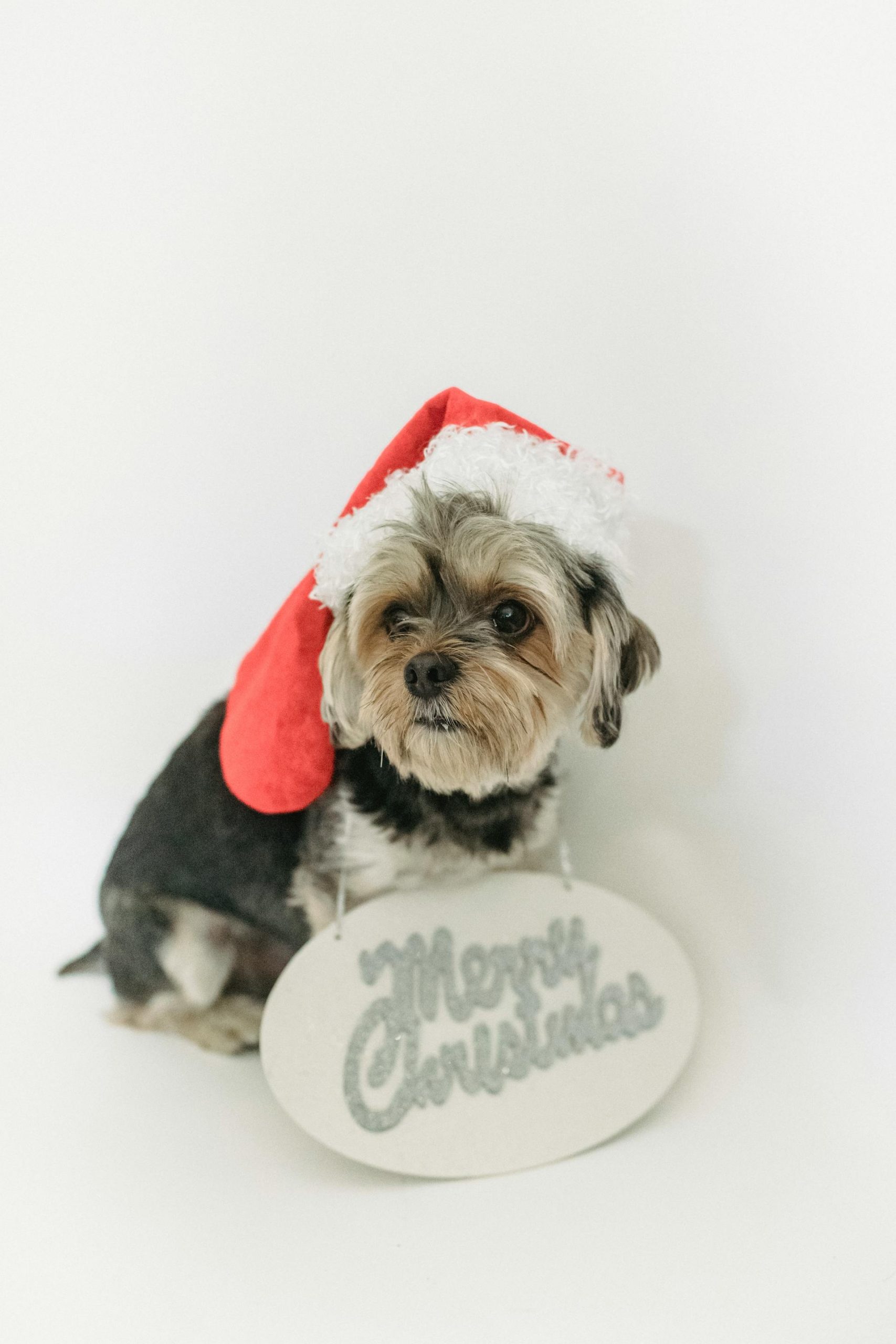
The best way to include your dog in holiday celebrations: let them be a dog. Give them a new toy. Share some dog-safe treats. Take them for an extra-long walk so they’re tired and content during gatherings. Create a quiet space where they can retreat when the party gets overwhelming.
Holiday photos don’t require costumes. Use props in the background. Take pictures of your dog being themselves in a festive setting. The best photos capture authentic moments anyway, not forced poses in uncomfortable outfits.
When clothing actually makes sense
Some clothing serves legitimate purposes. Short-haired dogs in cold climates need winter coats. Greyhounds, with their thin skin and minimal body fat, get cold easily. A properly fitted coat protects them during winter walks.
The difference: functional clothing addresses a real need. The dog benefits from wearing it. Fashion costumes serve only human desires for cute photos.
Even functional clothing requires careful selection. It should fit properly without restricting movement. The dog should be able to walk, run, sit, and lie down normally. If the coat interferes with any natural movement, it’s not the right choice.
Medical garments after surgery or anxiety wraps designed to calm nervous dogs also serve clear purposes. These items help the dog, not the owner’s Instagram feed.
Final Thoughts
Every time we dress a dog in a costume for entertainment, we reinforce the idea that dogs exist for our amusement. We teach children that what the dog wants doesn’t matter as much as getting a cute picture.
I want my children, nephews, and every youngster to grow up understanding that my dog has preferences, comfort levels, and autonomy. When my dog walks away from him, we don’t chase the dog. When my dog shows stress signals, we give him space. These lessons matter more than cute holiday photos.
Respecting animal boundaries extends beyond costumes. It’s about recognizing that dogs aren’t toys or props. They’re living beings with their own needs and limits.