

There is that one dog who enjoys the company of a new guest in the house as they meet them, it just happens in an instant. On top of that, it is already across the floor, tail loose, body soft, delighted by the idea of a new friend. The other stays near its owner, quiet and watchful, taking in the person’s hands, voice, shoes and pace before deciding what to do next. In fact, this is a common split situation that can happen if you bring different individuals near them.
Neither dog is doing anything strange. Dogs do not all start from the same place. Some meet the world with trust. Some ask for more proof. The reason usually sits in a mix of breeding, puppyhood, memory, health and plain old personality.
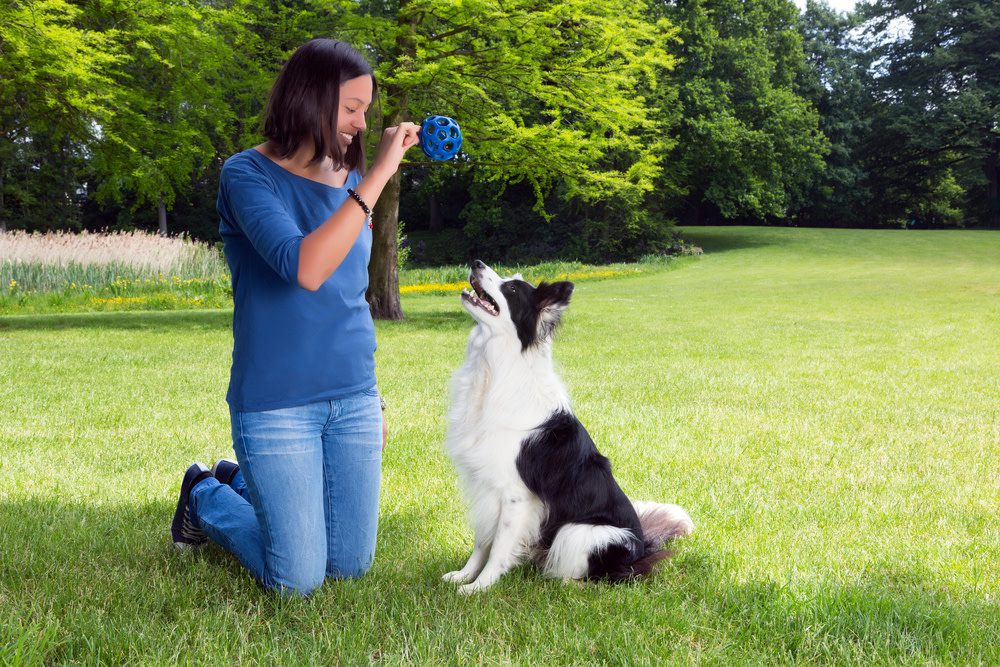
Reasons Your Dog Loves Strangers While Others Not
A dog that runs to strangers is not always better trained, and a dog that hangs back is not being rude. Some dogs are warm once they feel safe. They just need a little time before giving that trust away.
For one dog, visitors may mean treats, play and gentle attention. For another, strangers may mean quick hands, loud voices or too much movement before it feels ready.
That is why the same visitor can get two different greetings in the same house. One dog sees a chance for fun. The other sees a situation worth studying first.
Genetics Set the Starting Point
Breed history does not explain every dog, but it can nudge the starting point.
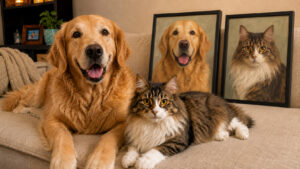
Remember that a breed and their history can influence their initial reaction to someone. For example, Golden Retrivers as well as the kinds Labradors were built for a warm and social environment. In fact, they were built for mingling with strangers and are easier to accept fresh individuals in their lives without much hesitation. What’s more, they tend to be easy going and follow cues while being good listeners. it’s their job and runs in their blood for a valid reason.
Guardian breeds had a different purpose because breeds like Anatolian Shepherds, Akitas, Chow Chows and other variants among dogs were more on the protective side. In addition, there’s a reason why they react fast when something particularly new or unfamiliar comes in their vision. No less, new people are no different as these kind of dogs take a while before trusting them. Hence, you can’t blame such breeds to be on the more cautious side.
Even then, breed is only the starting point. A retriever can be shy. A guardian dog can be calm with guests. Genetics may set the tone, but it does not write the whole dog.
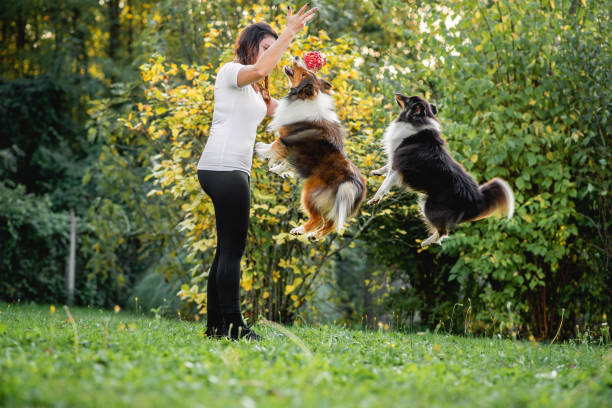
The Socialization Window Is Everything
When pups are getting exposed in the world, every observation and exposure shapes how they view things, whether it may all be linked to being used to safe surroundings or something more drastically tensing and dangerous. On the whole, the exposure they have matters a great deal in the long run.
A puppy who meets different people in calm ways gets useful lessons early. Children laughing in the next room. An older person moving slowly. Someone with a hat. Someone with a beard. A delivery worker at the door. A visitor using a cane.
On top of that, such things matter despite being so simple as the puppy is obviously in an early developmental stage, similar to a child getting parenting. There is a reason why puppies being formed in a quiet and peaceful environment may react with people in a different way as new people can feel too new. The dog may pause, hide, bark or need several meetings before loosening up.
Good socialization is not throwing a puppy into every busy place possible. That can overwhelm it. It is steady, kind exposure in small doses, with the puppy still feeling safe at the end.
Past Experiences Leave Real Marks
Dogs may not replay memories the way people do, but they remember what felt unsafe.
A dog grabbed roughly may avoid hands near its collar. A dog frightened by a child running straight at it may stay tense around children. A dog punished by a loud adult may react to similar voices years later.
This is where people often misread the dog. A bark or growl can look like bad manners. Sometimes it is only the dog saying, “Give me space.” Fear can sound louder than people expect.
These patterns can soften with patient work. Not by forcing greetings. Not by letting every visitor reach in “just so the dog gets used to it.” A nervous dog needs distance, calm rewards and repeated moments where nothing bad happens.
For anyone learning to handle dogs closely, this matters. A Certified and Accredited Dog Grooming Online Academy can help learners understand stress signals, body language and safer handling, which is just as important as learning the hands-on side of care.
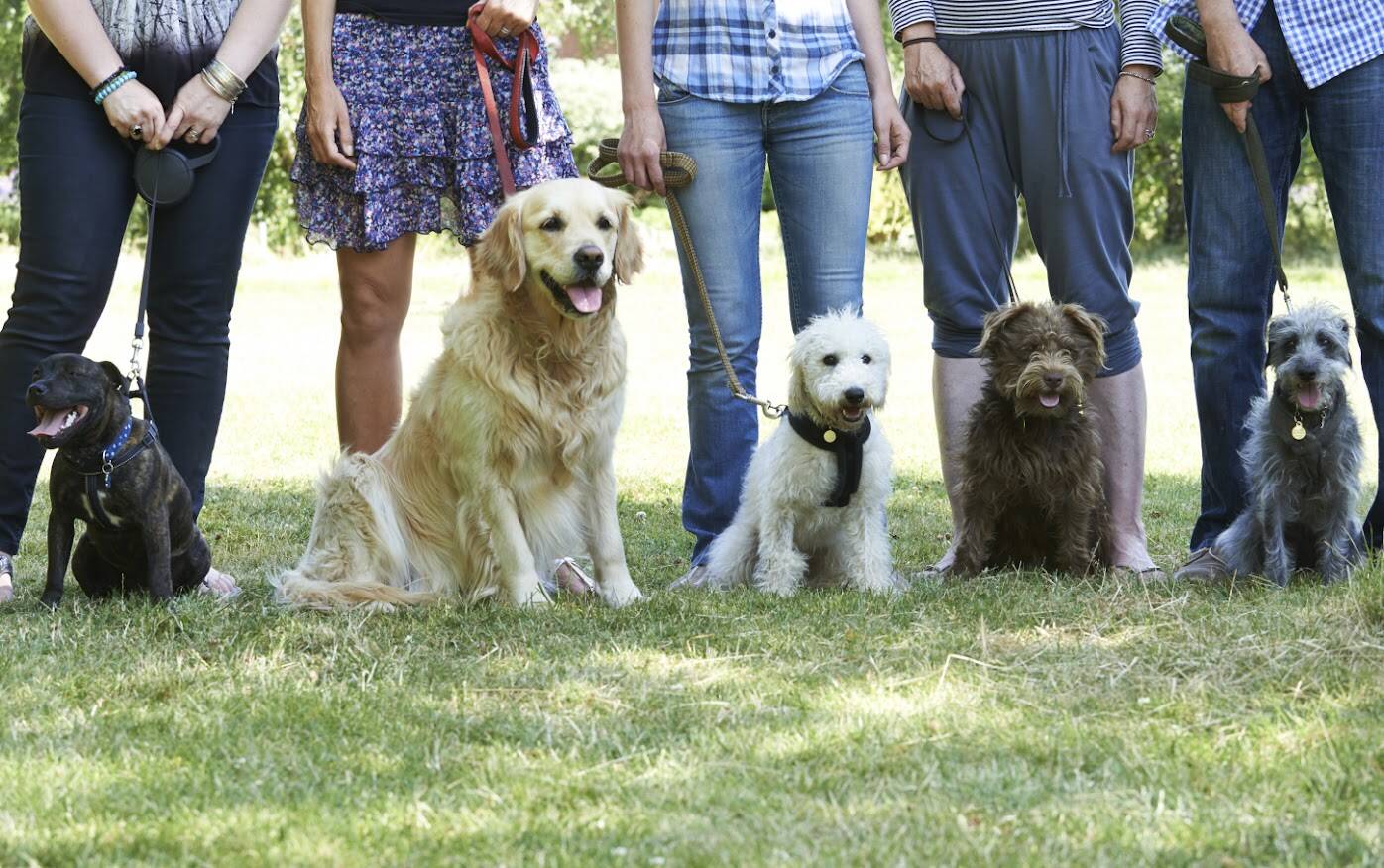
Personality Is Its Own Variable
Some dogs are natural greeters. Some are quiet judges of the room. This can show up even in the same litter.
One puppy may tumble into a visitor’s lap without a second thought. Another may stand back, sniff the air, and come over only when it is ready. Same house. Same age. Different dog.
A cautious personality is not a defect. Plenty of careful dogs love their people deeply and live happy lives. That dog may just need slower introductions.
Pushing it to act outgoing can make things worse. Confidence looks different for cautious dogs. Standing near a guest without barking, taking a treat, sniffing a shoe, then choosing its bed again. Small, calm choices like that still count.
Health and Age Play Roles Too
A dog’s body can change how it feels about strangers. Pain makes many dogs more protective of their space.
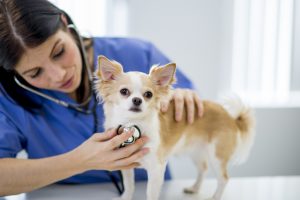
A sore hip, aching back, bad tooth, ear infection or itchy skin can make ordinary touch feel unpleasant. A stranger may lean over the dog or pat a sore place without knowing. The reaction may look sudden, but the discomfort was already there.
Age can change social habits too. Senior dogs often become more selective. A dog that once greeted everyone may later prefer a quiet corner and familiar voices. It may still enjoy people, just with less noise and less handling.
A sudden change deserves attention. For you see, incidents like avoidance involving hiding, snapping, growling and of course, the initiation of a touch are a peculiar issue which a professional vet should check over. In fact, it is better that way before jumping to uncertain conclusions like improper training.
What Cautious Behavior Actually Means
Cautious does not always mean scared. Sometimes it means the dog wants a minute.
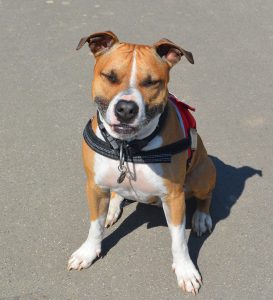
A calm cautious dog may stay back with a loose body, watch the stranger, sniff the air and approach later. That dog is coping. It is gathering information in the way that makes sense to it.
Distress looks different. Trembling, hard staring, lunging, repeated barking, freezing, tucked posture or desperate attempts to leave show a dog that is not simply reserved. That dog is struggling.
Dogs should not have to accept touch from every stranger to prove they are nice. Many problems start when people ignore the early signals. The dog turns away, and someone follows. The dog stiffens, and someone reaches again. Eventually the dog has to speak louder.
A growl is communication. It is a warning that deserves respect, not a moment to punish away without thought.
Helping Cautious Dogs Feel Safer
Cautious dogs usually do best when people stop making greetings a performance.
Visitors should not lean over them, stare at them or put out a hand right away. A calmer plan works better. Sit down. Turn slightly sideways. Let the dog pretend the visitor is furniture for a while.
Treats can help if they are not used like bait. A visitor can drop one nearby without calling the dog closer. The dog gets the good thing without being trapped into contact.
Keep first meetings short. For you see, a long visit tends to backfire compared to a short session that barely last minutes since dogs get pressured and tensed. In fact, their should be a halt before it gets dangerous.
A safe exit helps too. A bed, crate, open doorway or quiet room tells the dog it can leave. Dogs often become braver when they know they are not stuck.
Reading the Dog in Front of You
Dogs usually tell you before they hit their limit. A loose body, soft eyes and easy breathing often mean they feel okay. Pinned ears, lip licking, yawning, turning away, freezing or going stiff usually mean they need more room.
Friendly dogs need reading too. A dog that loves strangers may still jump, crowd people or push for attention in ways not every person enjoys. Social does not always mean polite.
Cautious dogs need patience. Outgoing dogs need manners. All in all, whether it’s a dog or an owner,they both need to pay attention to the real dog in the room, not the dog they wish they had due to their unrealistic ideals.
Final Words
Some dogs love strangers because new people have always meant good things. Attention. Food. Play. Gentle hands. Others stay cautious because their breeding, early life, past experiences, health or personality tells them to slow down and check first.
Neither dog is broken. The friendly dog may need help keeping its excitement respectful. The cautious dog may need space before trust can grow. When owners stop forcing every dog into the same idea of friendliness, they start seeing the dog more clearly. That is where better handling begins.