


It happens fast. A palmetto bug skitters across the kitchen tile, your dog lunges, and there is a crunch before you can say “leave it.” Seconds later your dog looks pleased with himself, and you are on the floor checking his mouth for legs.
Terriers are the worst offenders. My Jack Russell treats anything that scuttles as an invitation, and bugs check every box a prey-driven dog cares about: they move in short, jerky bursts, they hide under things, and they tick faintly on hard floors. To a curious dog, a roach is a squeaky toy that runs away on its own.
Why bugs are irresistible to curious dogs
Chasing small moving things is normal canine behavior. It does not mean your training failed. Puppies explore the world with their mouths, and adult dogs with high prey drive, such as terriers, herding breeds and many hound mixes, often keep the habit for life. Boredom makes it worse. A dog with nothing to do will happily spend twenty minutes stalking one beetle in the corner.
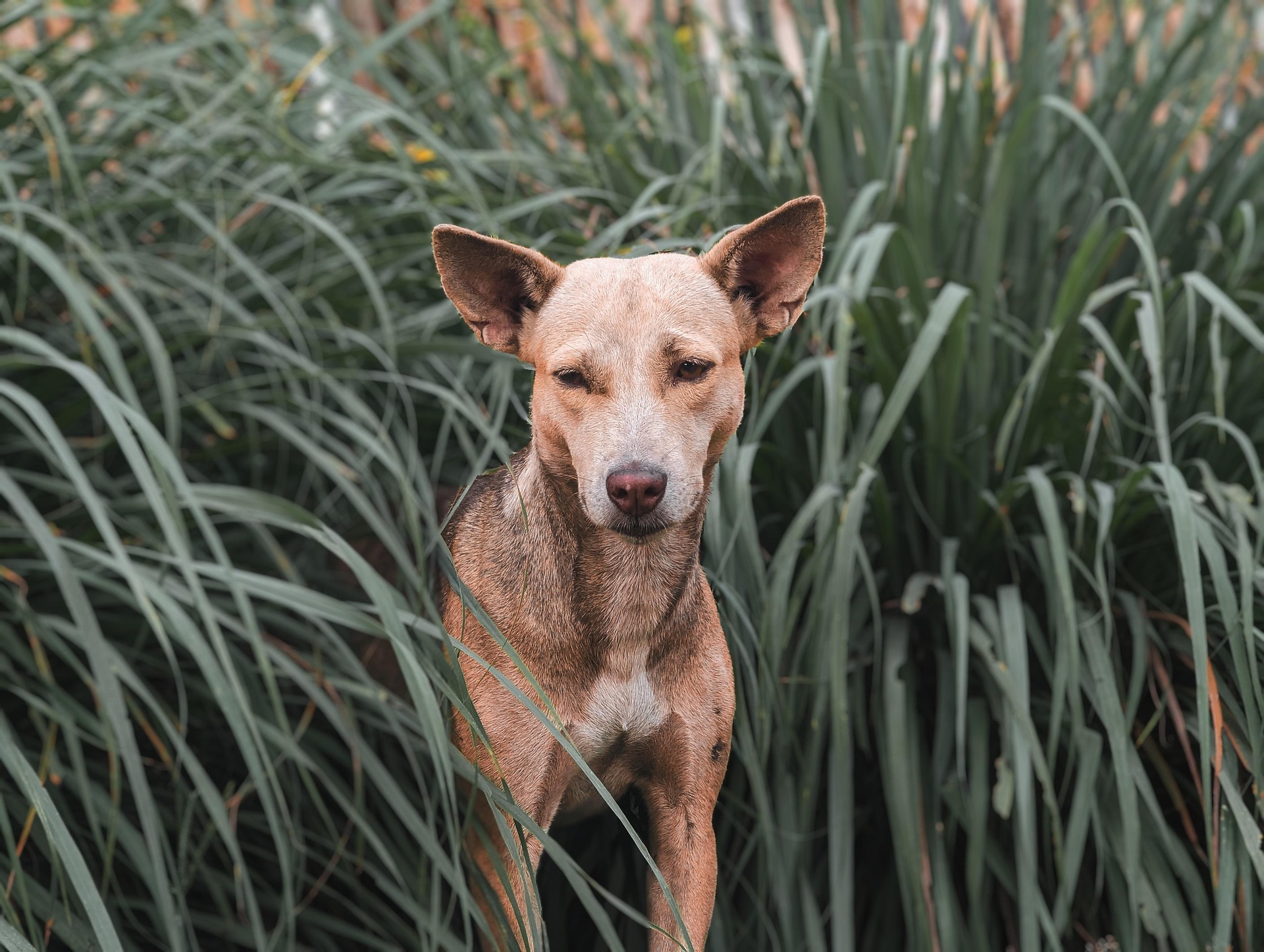
Usually the bug itself is not the real danger. “Palmetto bug” is a common name for the large American cockroach, which tends to live outdoors and wander in from mulch or the yard. Smaller German cockroaches breed indoors and point to a bigger problem; this rundown of cockroaches vs palmetto bugs explains how to tell them apart. That difference matters for your dog. One palmetto bug that slipped under the door is a small worry. Roaches showing up night after night usually means someone has put down bait or spray, and those products can cause vomiting or drooling if your dog finds them.
Your first five minutes after the crunch
Stay calm. Dogs read your energy, and a shouting owner can turn a chewed bug into a game of keep-away. Work through these steps in order:
- Gently open your dog’s mouth and remove any pieces you can see, especially sharp wing casings or legs stuck near the gums.
- Check the area for bait stations, gel dots or recently sprayed surfaces, since a bug that just crawled through poison can carry it.
- Offer a small bowl of fresh water so your dog can rinse the taste and any residue from his mouth.
- Write down the time, the size of the bug and whether any pest product was nearby, because a vet will ask for all three.
Do not try to make your dog vomit at home. Hydrogen peroxide and salt can do more harm than one cockroach ever will, and inducing vomiting is a call for a vet or poison-control specialist to make.
Found a chewed bait station or an empty gel tube? Phone right away instead of waiting to see what happens. Many baits use slow-acting ingredients, so a dog can look perfectly fine for an hour before symptoms start.
Signs to watch over the next 24 hours
A healthy dog that ate a single clean bug will usually show nothing at all. Some get a gurgling belly or one soft stool, and that passes within a day. Watch for anything beyond that, especially if pest products might be involved.
According to the ASPCA, poison control experts have ranked the ten toxins most likely to cause serious or life-threatening signs when pets swallow them, and they urge owners to treat any swallowed foreign object as something worth a call.
Use this as a rough guide while you keep an eye on your dog:
| What you see | Timing to watch for | What to do |
|---|---|---|
| One episode of vomiting, then normal behavior | Within 1 to 2 hours of eating the bug | Withhold food for a few hours, offer water, keep watching |
| Vomiting 2 or more times | Within 24 hours | Call your vet the same day |
| Heavy drooling or pawing at the mouth | Within 30 minutes | Check for stuck pieces, call the vet if it lasts past 15 minutes |
| Tremors, wobbling or seizures | Any time | Go to an emergency vet immediately |
| Diarrhea with blood or a dog that refuses food | Beyond 12 hours | Book a vet visit |
Tremors should get you in the car. Many insecticides affect the nervous system, and twitching muscles, a glassy stare or a dog that cannot stand steadily all point to poisoning rather than a simple tummy ache.
With small dogs, act sooner. A big palmetto bug is a decent mouthful for a 6-pound Chihuahua, and the same dose of bait residue hits a tiny body much harder than it would a Labrador.
Keep bugs and baits out of your dog’s world
Start with the bait. Walk your home at dog height, literally on your knees, and look under the fridge, behind the toilet and beneath the sink. If a bait station sits within reach of a curious nose, move it, swap it for a pet-safe option or ask whoever treats your home to place products only where your dog cannot go. Gel dots tucked into cabinet hinges are easy for a determined terrier to lick off.
Next, cut down on the bugs. Pick up the food bowl after meals instead of leaving kibble out overnight, because roaches love an easy buffet. Sweep crumbs from under the crate. Store food in sealed bins. Fix that dripping pipe, too, since roaches need water as badly as food.
Then train. A solid “leave it” is the most useful cue a bug-chasing dog can learn. Practice with a treat under your shoe, reward the moment your dog looks away, and gradually work up to rolling a toy past him. Five minutes a day for two weeks will give you a dog that pauses when something scuttles by.
One last job: save the ASPCA Animal Poison Control number, (888) 426-4435, in your phone tonight. When your dog swallows something at 11 p.m., you want that number ready, not a search bar while he drools on the rug.